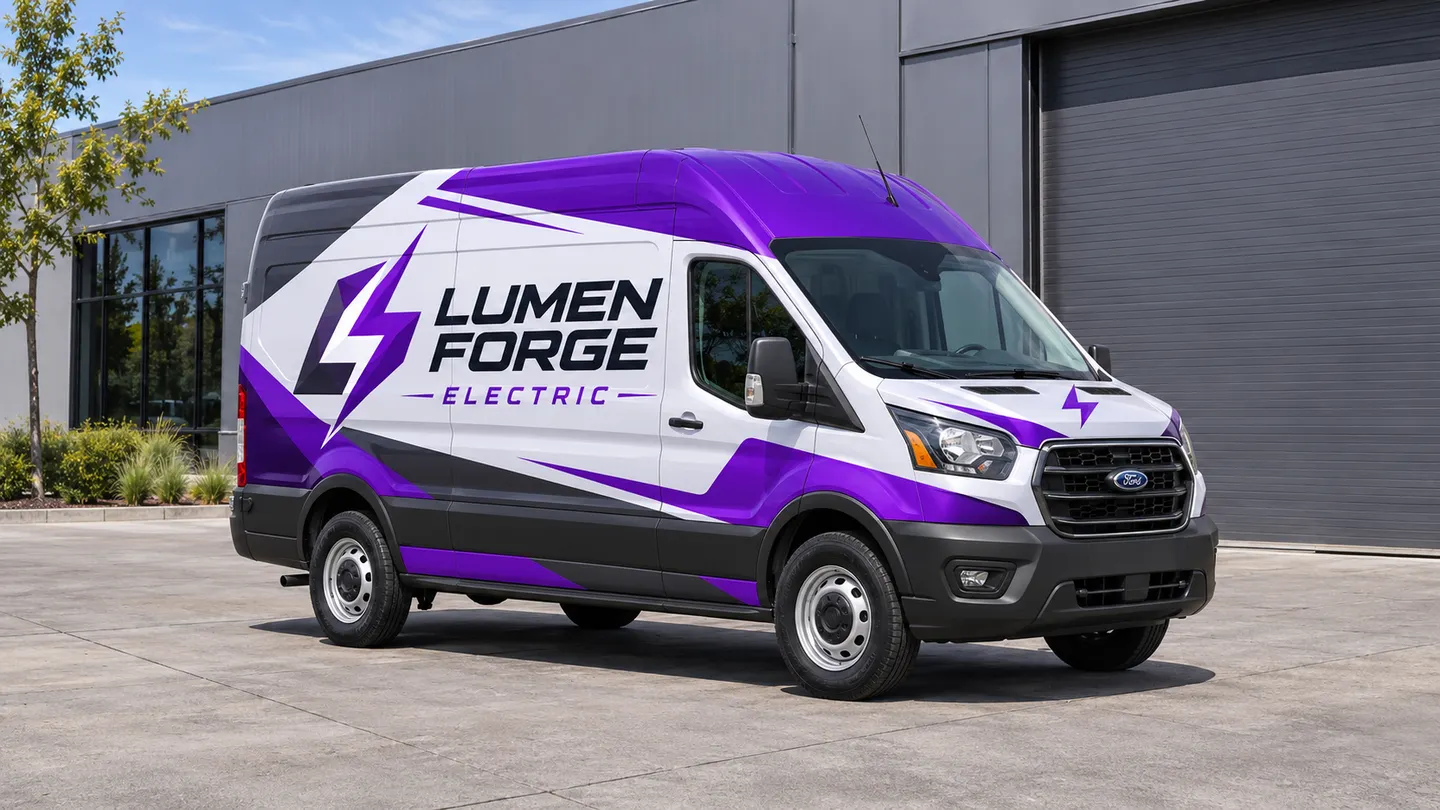
Record the actual construction
Start with the film manufacturer and product code. For printed graphics, identify the proposed protection layer and the printing information the supplier considers relevant to the construction. A color-change film, printed film and cut-lettering product are different categories, so keep their intended uses separate.
Ask the supplier to connect each product to the surface it will cover. Flat panels, deeper contours and different body materials may require separate review. The purchasing worksheet records the answer; it does not certify that a selected combination is suitable for every part of the vehicle.
- Use exact product codes and finish descriptions.
- Keep printed and unprinted graphic systems distinct.
- Connect each proposed product to its intended surface.
Read warranty language in context
Request the written warranty documents that apply to the quoted work. Separate a manufacturer’s product or system terms from the installing shop’s workmanship commitment. Each can have conditions, exclusions and a different route for reporting a concern. A general years statement leaves those questions unresolved.
Review geographic exposure, orientation, care and application conditions in the applicable documents with the supplier. Do not extend a term from one product or use to another. The current manufacturer resource centers help locate the right instructions, but the supplier needs to identify the documents governing the proposal.
- Request the relevant document revision or link.
- Distinguish material terms from workmanship terms.
- Identify who receives a future claim or concern.
Compare differences against the job
Evaluate proposed differences using the actual vehicle, intended coverage and operating conditions. A product specification may solve a particular application problem rather than represent a universal upgrade. Ask why the supplier selected the system and which assumptions would require a different recommendation.
Record the accepted construction with the artwork and vehicle references at handoff. That information helps a later repair request start with evidence instead of a guessed film name. Do not replace a listed component informally after approval; ask for a revised specification and explanation of any consequences.
- Ask for the reason behind a product selection.
- Keep approved substitutions in writing.
- Retain the installed construction for future repair discussions.
Keep a working record
Before you approve the next step
- Collect exact film and protection product codes.
- Record which surfaces use each construction.
- Ask about the printing system where applicable.
- Obtain the relevant written warranty terms.
- Identify approved substitutions before production.
- Keep the installed specification at delivery.
Use the free planning tool to organize the details you can confirm and the questions still open.
Four questions before the next step
Do matching brand names make two quotes equivalent?
No. Compare the exact products, finished construction, application, coverage and responsibilities. A shared manufacturer name does not answer those questions.
Read the detailed guide: Compare material descriptions without guessing at equivalence
Can this worksheet establish warranty eligibility?
No. It organizes the proposed documentation. Eligibility and applicable terms need confirmation against the actual products, production and application through the relevant supplier and manufacturer resources.
Read the detailed guide: Compare material descriptions without guessing at equivalence
Is a detailed rendering enough to approve the work?
It communicates appearance, but the written scope still needs to explain surfaces, materials, preparation, responsibilities and exclusions. Keep both documents together.
Read the detailed guide: Read a commercial wrap proposal line by line
What should I do when an item is unclear?
Mark it unknown in the comparer and ask the supplier for written clarification. Do not convert unclear wording into an included item on the supplier’s behalf.
Read the detailed guide: Read a commercial wrap proposal line by line
Original technical sources
Use the linked publisher's current instructions for the exact product and vehicle. This planning guide does not replace its application, safety or warranty requirements.